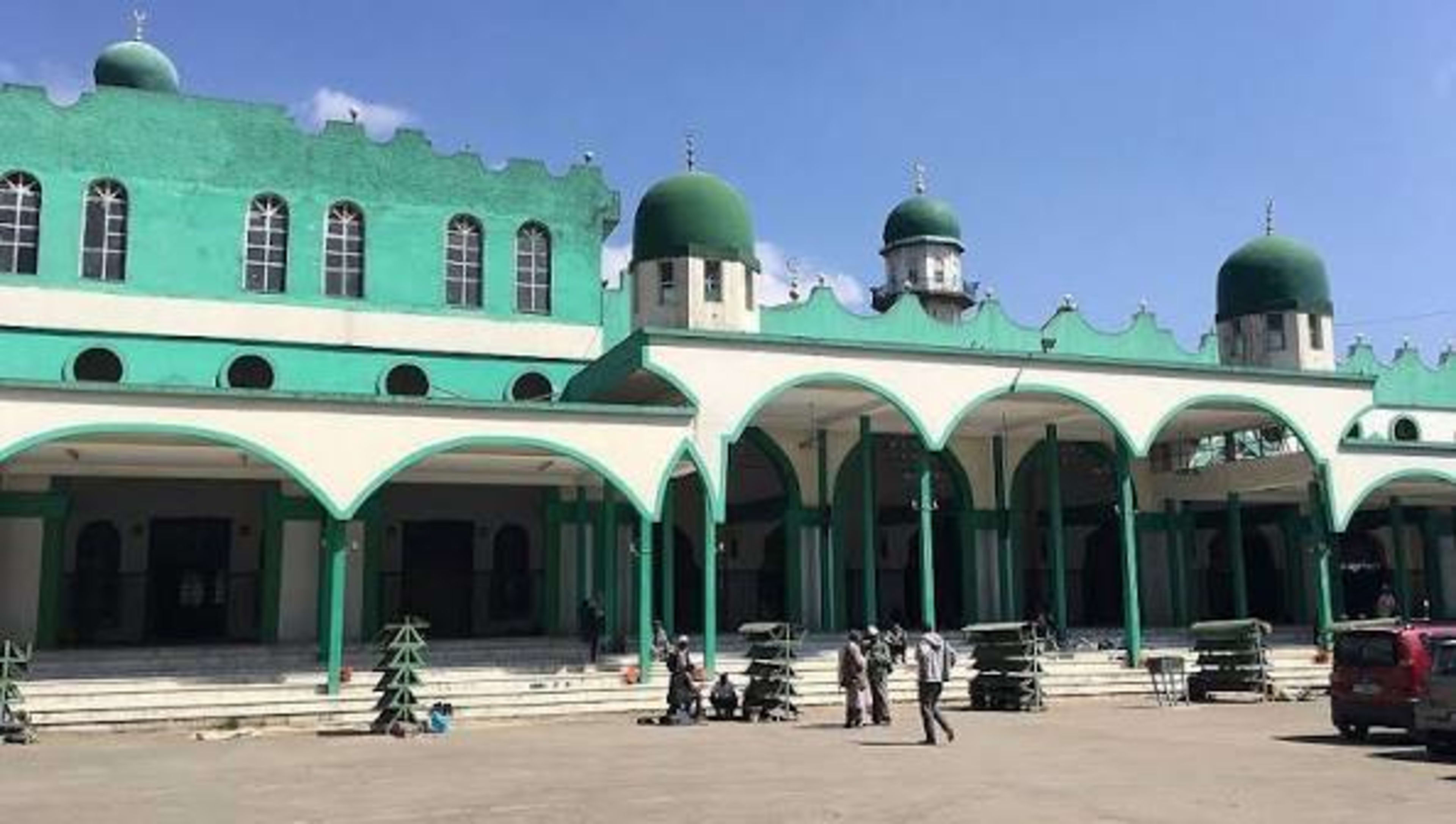
Grand Anwar Mosque
The Grand Anwar Mosque is the oldest and most significant mosque in Addis Ababa, a cornerstone of the city's Muslim community and a testament to the deep roots of Islam in Ethiopian life. Completed by 1922, the mosque predates many of the city's other major landmarks and has served as the spiritual heart of Addis Ababa's Muslim population for over a century.
Ethiopia has a profound and ancient connection to Islam — the country sheltered the first Muslim refugees who fled Mecca under the Prophet Muhammad's instruction, earning Ethiopia a unique place in Islamic history. The Grand Anwar Mosque continues this legacy in the modern capital, drawing worshippers from across Addis Ababa and visitors from around the world.
Architecture
The mosque is built in a distinctive white and green colour scheme, a palette that creates a striking visual contrast against the surrounding commercial neighbourhood. Twin minarets rise above the roofline, calling the faithful to prayer five times a day with a sound that carries across the Merkato district.
The main prayer hall is spacious and simply ornamented, in keeping with traditional mosque design — geometric patterns, Arabic calligraphy, and clean lines create a serene atmosphere that stands in beautiful contrast to the bustle of the Merkato just outside.
The Surrounding Neighbourhood
The mosque sits adjacent to Merkato, described as the largest open-air market in Africa. Nearby shops and stalls specialise in Islamic books, prayer beads (tasbih), religious garments, and incense — creating a rich cultural atmosphere around the mosque.
Religious Life
Friday Prayer
Friday Jumu'ah prayers draw enormous congregations — hundreds of worshippers overflow onto the surrounding streets in a powerful display of communal faith. Visiting on a Friday offers a vivid glimpse into the living religious life of Addis Ababa's Muslim community.
Daily Rhythm
Throughout the day, the call to prayer from the mosque's minarets punctuates the rhythms of the Merkato neighbourhood. The mosque provides a quiet spiritual refuge amid the commercial energy of one of Africa's busiest markets.
Cultural and Historical Significance
The mosque is a symbol of Ethiopia's centuries-long tradition of religious coexistence between Orthodox Christianity and Islam. Since the time of the Hijra — when the Negus of Axum sheltered the Prophet's companions — Ethiopia has been regarded with special reverence in Islamic tradition. Visiting the Grand Anwar Mosque offers a window into this unique relationship.
Visitor Tips
- Non-Muslim visitors are welcome to observe respectfully from outside; entry to the prayer hall during prayer times may be restricted.
- Dress modestly — cover shoulders, arms, and legs. Women should bring a headscarf.
- Remove shoes before entering the mosque.
- Friday midday visits should be planned around the Jumu'ah prayer crowd (approximately 12:30–1:30 PM).
- Combine your visit with Merkato for an immersive half-day experience of the area.