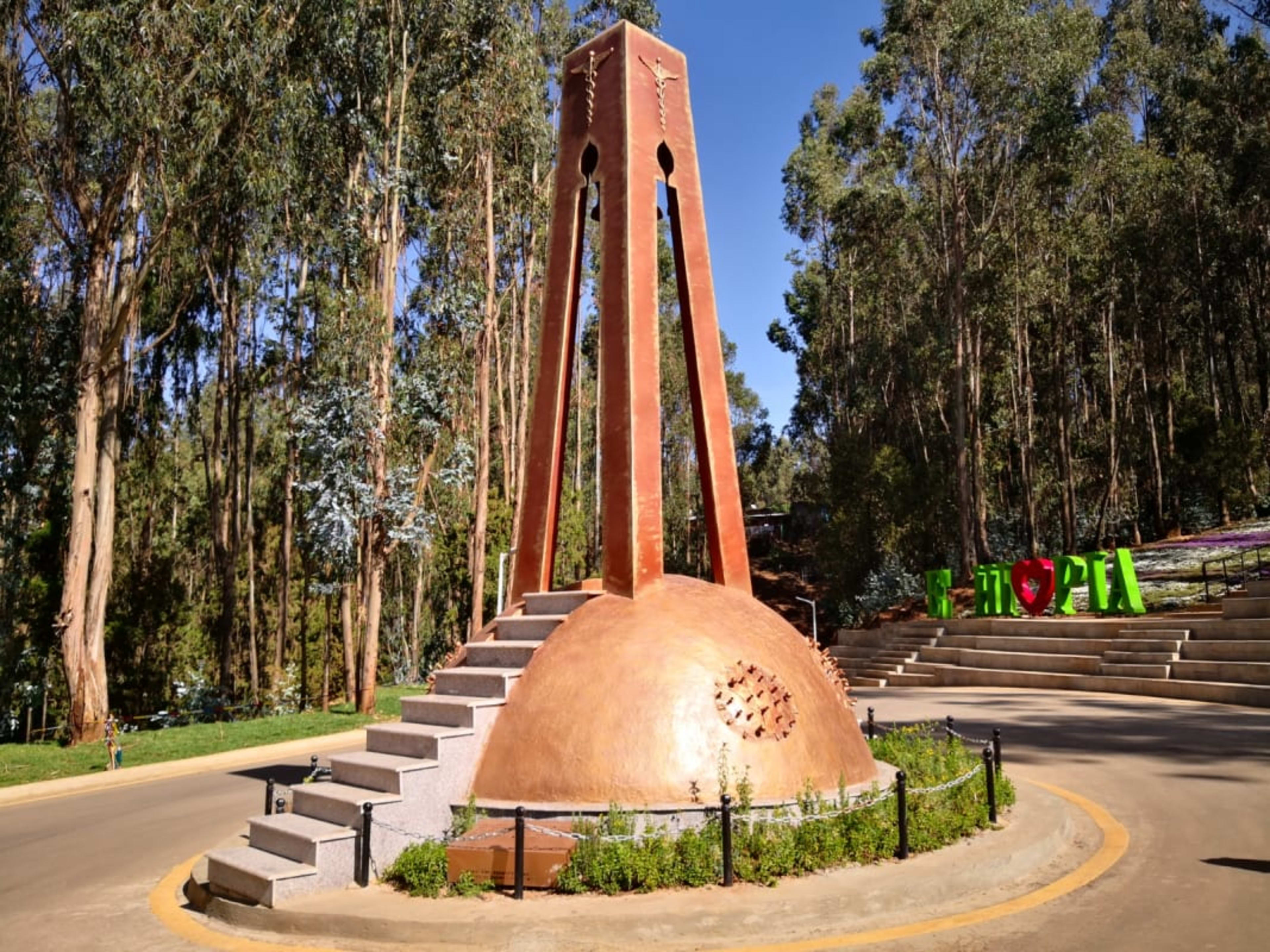
Holy Trinity Cathedral
The Holy Trinity Cathedral — known in Amharic as Kidist Selassie — is the most important Ethiopian Orthodox Tewahedo church in Addis Ababa and the second-holiest site in Ethiopia after the Church of Our Lady Mary of Zion in Axum. Built in the 1940s to commemorate Ethiopia's liberation from Italian occupation, the cathedral stands as a monument to faith, resilience, and national pride.
Emperor Haile Selassie I commissioned the cathedral, and it became the spiritual home of the imperial family. The remains of the Emperor himself are interred within, along with members of his family and patriots who died fighting for Ethiopia's freedom.
What to See
The Cathedral Interior
The interior of Holy Trinity Cathedral is breathtaking — an explosion of colour, religious iconography, and artistic craftsmanship. Massive stained-glass windows depicting scenes from the Bible and Ethiopian saints flood the nave with jewelled light. Intricate mosaics, carved stonework, and elaborate gilded iconostases create an atmosphere of profound reverence.
Imperial Tombs
The cathedral contains the tombs of Emperor Haile Selassie I and Empress Menen, as well as several princes and princesses of the imperial family. These are important pilgrimage sites for Ethiopian Orthodox Christians worldwide.
Patriots' Cemetery
In the grounds surrounding the cathedral lies the Patriots' Cemetery, where Ethiopian freedom fighters who died during the Italian occupation are buried. Elaborate sculptural memorials mark the graves, and the site remains a place of solemn national memory.
The Bell Tower
The cathedral's imposing bell tower can be seen from across Addis Ababa. Its bells ring out for Sunday services and national religious celebrations, calling the faithful to prayer.
Visitor Tips
- Dress modestly — shoulders and knees must be covered.
- Remove shoes before entering the main sanctuary.
- Services are conducted in Ge'ez; visitors are welcome to observe respectfully.
- Sunday mornings see large congregations — arrive early for a reflective visit.