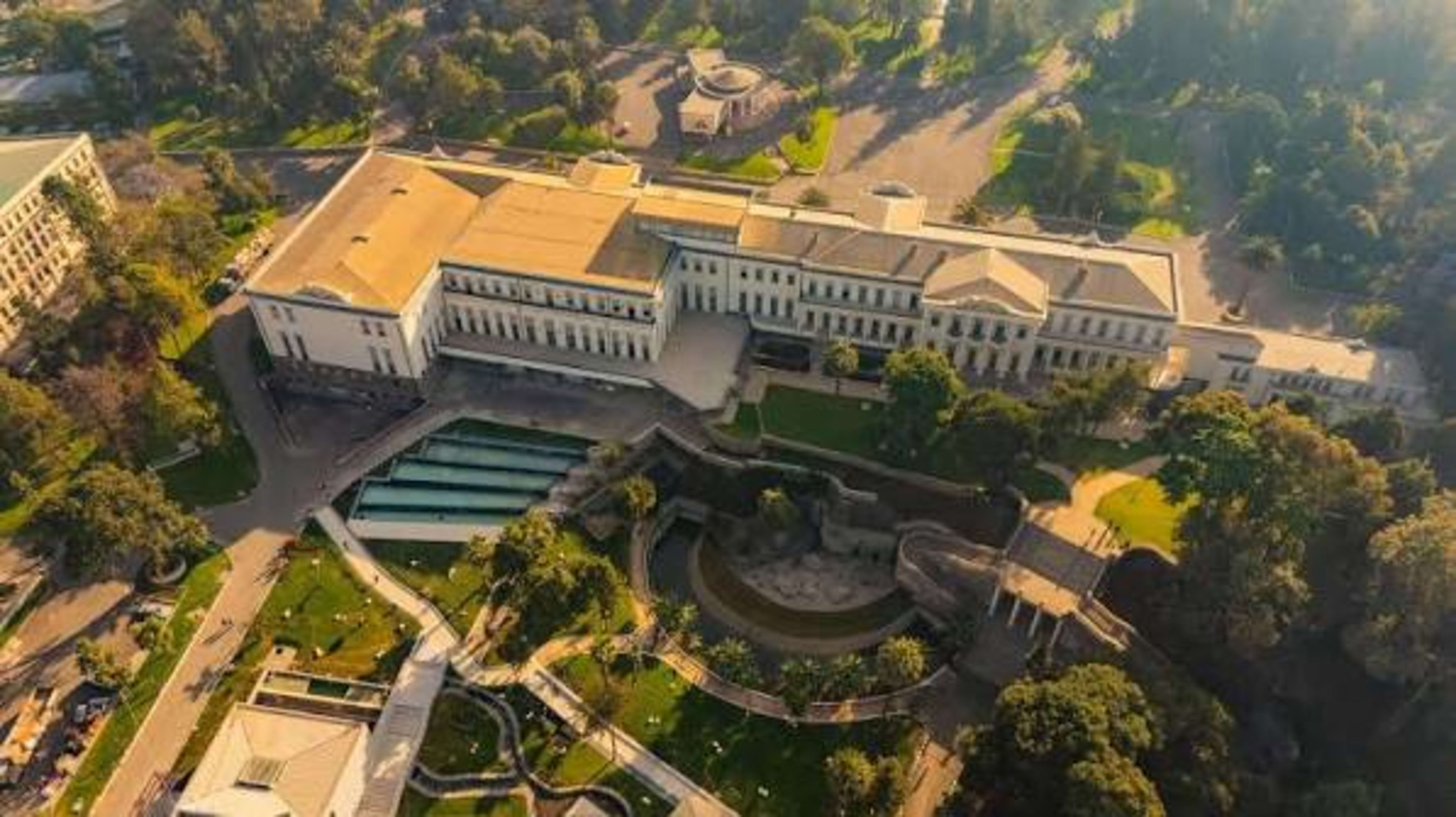
The National Palace
The National Palace — historically known as the Jubilee Palace — is one of Addis Ababa's most important state monuments and a symbol of modern Ethiopia's imperial heritage. Built in 1955 to commemorate the Silver Jubilee of Emperor Haile Selassie's reign, the palace served for decades as the official residence and working palace of Ethiopia's heads of state.
The palace complex has recently been opened to the public as a museum, allowing visitors to explore the grandeur of mid-century Ethiopian state architecture and the artifacts, furnishings, and memorabilia of Ethiopia's royal and post-imperial eras.
History
Construction and Purpose
Commissioned in 1955, the Jubilee Palace was designed to mark the 25th year of Haile Selassie's reign and to provide the Emperor with a modern official residence befitting the new era of Ethiopian statehood. The building replaced the older palace complex (now part of Unity Park) as the primary seat of power.
Imperial Era
During Haile Selassie's reign, the palace hosted heads of state, diplomats, and dignitaries from across the world. Ethiopia's standing as one of only two African nations never colonised (and the symbolic leader of the pan-African movement) made the palace a stage for some of the most significant diplomatic encounters of mid-20th century Africa.
After the Imperial Era
Following the 1974 revolution that deposed Haile Selassie, the palace continued to serve as the official residence of Ethiopia's subsequent leaders, including the Derg military council and later governments. It remained closed to the public until its recent renovation and conversion into a museum.
What to See
State Rooms and Reception Halls
The palace's grandly proportioned state rooms offer a window into imperial-era Ethiopian taste and diplomacy — high ceilings, formal furnishings, and portraits of the Emperor. The scale of the reception halls makes clear how significant state ceremonies conducted here would have appeared.
Museum Exhibits
The museum sections of the palace contain artifacts from Haile Selassie's reign, including ceremonial regalia, gifts from foreign heads of state, official correspondence, and historical photographs. These provide remarkable documentary evidence of Ethiopia's place in 20th-century world history.
Palace Gardens
The grounds surrounding the palace are manicured and peaceful — a formal garden aesthetic with lawns, ornamental planting, and mature trees. The garden views back to the palace façade make for memorable photographs.
Visitor Tips
- Entry requires a ticket, available at the gate; guide services are recommended for historical context.
- Photography is permitted in most areas; check signage for restricted zones.
- Combine with a visit to Yekatit 12 Square (Sidist Kilo), which is nearby.
- Allow 1.5–2 hours for a thorough visit.