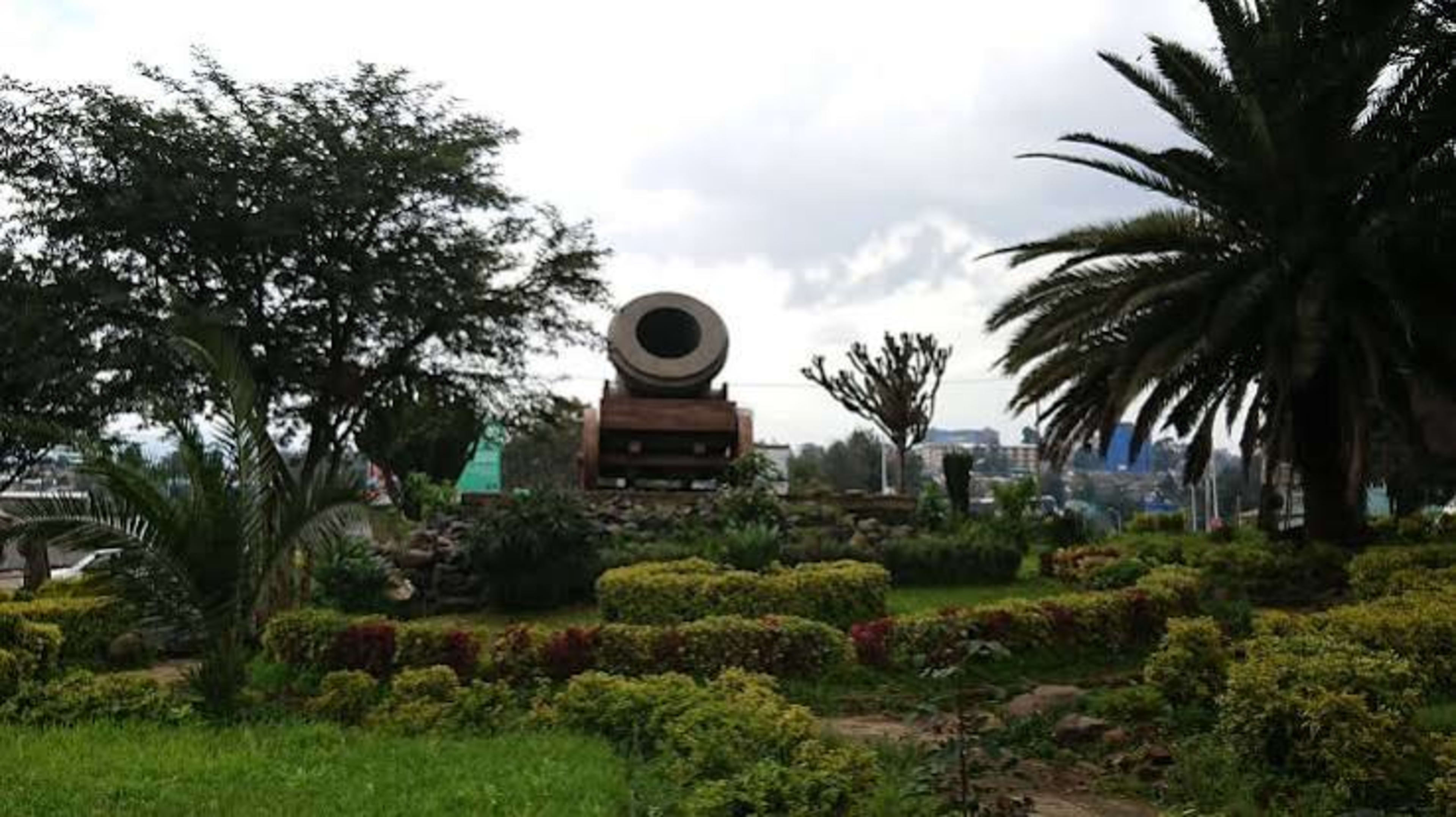
Tewodros Square
Tewodros Square is the historic heart of Piassa, Addis Ababa's oldest commercial district and the city's original European-influenced urban quarter. Named after Emperor Tewodros II (1818–1868), one of Ethiopia's most celebrated and tragic rulers, the square sits at the intersection of Addis Ababa's oldest streets and retains the character of the city as it was in the early decades of the 20th century.
For many Addis Ababa residents, Piassa and Tewodros Square represent the city's soul — a place where you can still sense the layered history of Italian colonialism, Ethiopian imperial culture, and the city's cosmopolitan 20th-century identity.
Emperor Tewodros II
The square honours a ruler who is central to modern Ethiopian national mythology. Emperor Tewodros II — born Kassa Hailu — rose from obscurity to unify a fragmented Ethiopia through force of will and military genius. He is credited with beginning the process of centralising the Ethiopian state and modernising its administration, prefiguring the reforms that later emperors would continue.
His reign ended dramatically at the Battle of Magdala in 1868, when British forces stormed his fortress. Rather than surrender, Tewodros shot himself with a pistol — a gift from Queen Victoria — and died by his own hand. He has been lionised ever since as a symbol of Ethiopian defiance and pride.
Piassa: Addis Ababa's Living History
Architecture
The streets around Tewodros Square retain buildings from the Italian occupation period (1936–1941) and the imperial era, giving Piassa a distinctly Mediterranean character unusual in sub-Saharan Africa. Two and three-storey buildings with arcaded ground floors, iron balconies, and tiled facades line the main streets.
Cafés and Culture
Piassa is Addis Ababa's café district — a tradition that dates to the Italian occupation and has never disappeared. Historic cafés such as Tomoca (famous for its strong Ethiopian espresso) and several others have been serving coffee here for decades. The area is a favourite haunt of Addis Ababa's artists, writers, and intellectuals.
Bookshops and Artisan Stores
The streets around the square are lined with bookshops selling Ethiopian literature, history, and religious texts; art galleries; and small craft shops selling traditional textiles, jewellery, and handicrafts.
The Commercial Mix
Piassa remains one of Addis Ababa's most active commercial areas, with pharmacies, tailors, electronics shops, and street vendors occupying every available corner. Its energy is different from the organised bustle of Merkato — more neighbourhood in feel, more intimate in scale.
Visitor Tips
- Visit in the morning for the café culture — Tomoca coffee shop on the main strip is legendary.
- The square is best explored on foot; it's a short walk from Arada Giorgis Church and Meskel Square.
- The surrounding streets are good for street photography — the architecture and people create a vivid urban tableau.
- Friday evenings see the square at its most lively as residents gather for the weekend.