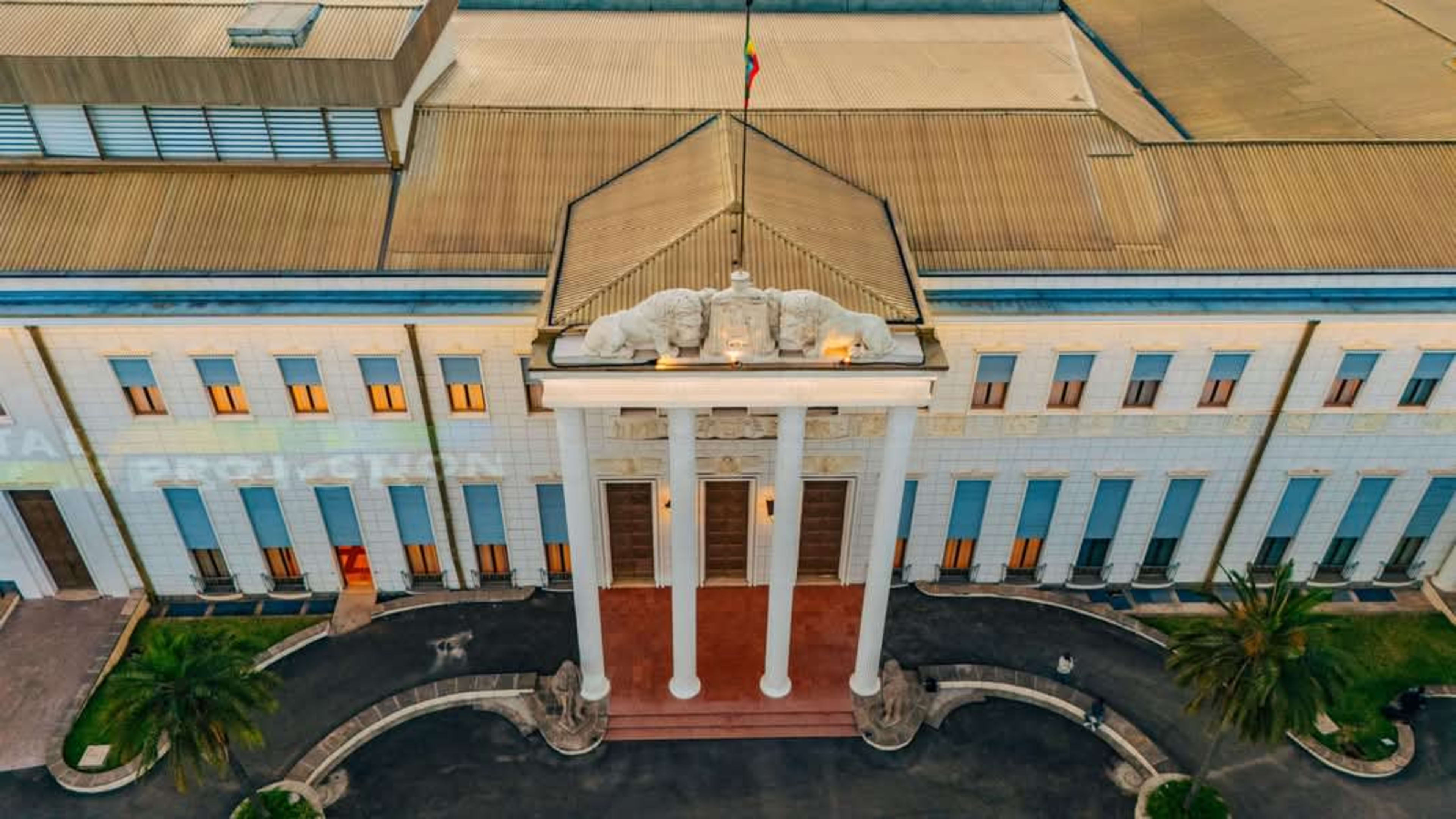
The Palace Museum
The National Palace, a historic landmark in Addis Ababa, was built in 1955 to commemorate Emperor Haile Selassie's Silver Jubilee. Over the decades, the palace has served as the dwelling of Ethiopia's heads of state. More than just a building, the Jubilee Palace is a living relic, reflecting Ethiopia's royal heritage and an iconic feature of Addis Ababa's landscape.
Recently restored and reopened as the Palace Museum, this historic site now invites visitors to step inside a space that was once reserved for heads of state and their guests. The palace's grand reception halls, ceremonial staircases, and royal suites have been beautifully preserved, offering a rare glimpse into Ethiopia's imperial grandeur.
What to Explore
The Grand Reception Hall
The centrepiece of the palace is its magnificent reception hall, adorned with original furnishings, crystal chandeliers, and fine tapestries. This is where Emperor Haile Selassie received foreign dignitaries and presided over state ceremonies.
Royal Bedchambers and Living Quarters
Tour the private suites and bedchambers that once accommodated the Emperor and notable state guests. Original furniture, portraits, and artefacts remain in place, providing an intimate portrait of imperial life.
The Throne Room
Marvel at the ornate throne room, home to thrones used in official state ceremonies and adorned with Ethiopia's imperial regalia.
Palace Gardens
The surrounding grounds feature manicured gardens with native trees and ornamental plantings, offering a peaceful retreat in the heart of Addis Ababa.
Visitor Tips
- Guided tours are strongly recommended to appreciate the historical context of each room.
- Dress modestly as a sign of respect for the site's cultural significance.
- Photography is permitted in designated areas.